Cutting is a form of self-injury: the person literally makes small cuts in his body, usually the arms and legs, the stomach …
Normally the cuts are kept secret for a long time. The cuts can be easily hidden under the long sleeves.
Self-injury usually begins around the age of 14, but lately the starting age has been moved lower starting at age 11 or 12.
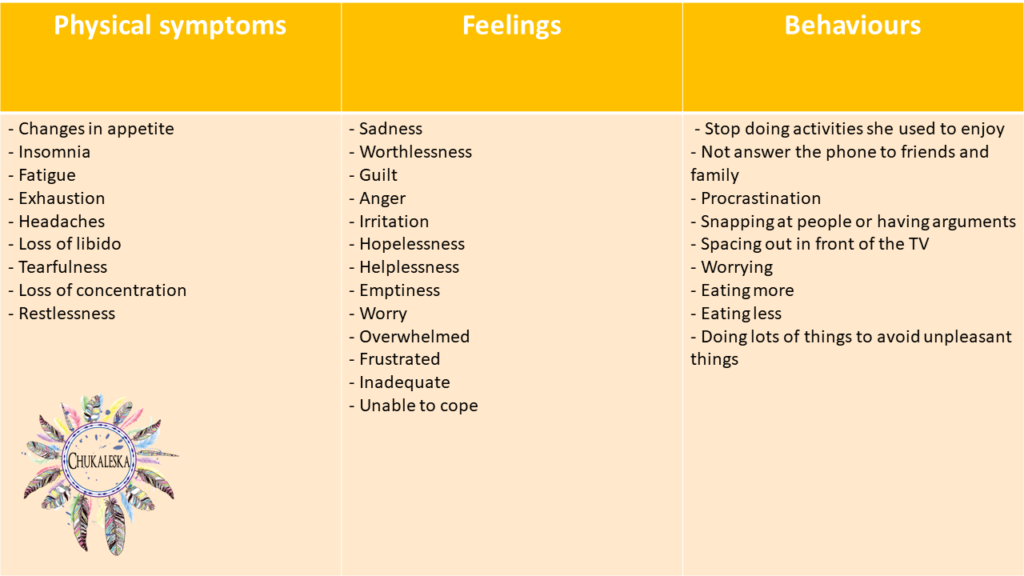
The reason teens cut themselves can be difficult to understand, parents often mistake cutting with suicidal behavior. On the other hand, sometimes adults try to downplay the problems teenagers have or think they are just a phase, but if is left untreated, this compulsive reaction can persist throughout life. Sometimes with maturity adolescents learn other mechanisms of managing emotions, but in other cases that does not happen.For teens, cutting helps them control their emotional pain. They may be trying to deal with intense pressure, some kind of pain, or they may be dealing with feelings that seem too difficult to bear. Some teens cut themselves because they want to release their feelings of sadness, rejection, or emptiness and don’t know another way to deal with them.
Some people self-harm as a short-term release to deal with complicated emotions, for example if they if they’re being bullied or experiencing anxiety or depression.
Many of these children are sensitive, perfectionists, overcomers. Self-harm begins as a defense against what is happening in their family, at school, reaction to bullying. They feel like they have failed in some area of their lives, so this is one way to take control.
For many children, it is the result of a repressive home environment, where negative emotions are hidden under the rug, where feelings are not discussed. Many families send the message that it is not acceptable to express sadness or anger.
When the adolescent feels emotional pain, causing himself physical pain, it literally “helps” him not to feel the emotional pain so overwhelming.
Many children have a hard time dealing with situations and people that make them angry, they don’t have appropriate role models to learn to say no, to defense, to confront the people, they really don’t think they’re allowed to do that, especially the girls. But if you cannot stand up for yourself, it is very difficult to survive in the world in which it is absolutely necessary to set healthy limits.
To start with the treatment it is crucial that the adolescent recognizes that he has a problem, that he needs to stop.
The goal is to start to communicate and open up. Babies do not have the capacity for language, so they use their behavior, no verbal communication. These adolescents return to that preverbal state when they self-harm.
Working on their self-esteem and self-respect is a fundamental goal of the treatment, to gain self-confidence, to take risks in confrontation, to change the way they see themselves. If you can’t put limits on the other person’s behavior, confront them, you can’t like yourself.
When kids decide they don’t want to cut themselves anymore, and get stressed again, they have to be able to handle stress as it arises, they can’t succumb to cuts. People who can find some alternative way to handle stress will eventually leave this behavior.
Cutting can provide temporary relief from these feelings, but the thing is that the underlying problem, the reason for cutting still exists. Cutting does not solve the problem, but only masks the problems and can lead to various other complications.
If you’re into cutting, know that there are healthier ways to deal with problems than cutting yourself. The first step is to get help with the problems that led to the cutting. The clients who have stopped cutting say that after they open up about their feelings, they often feel a great sense of relief. If it’s too difficult to talk, try writing your feelings in a journal.
Second step is to identify what is causing the cut. Cutting yourself is a response to the stress and pain in your life. Try to find out what the cause is and the ways you can deal with it. This can be difficult; Consider talking to a therapist or counselor for help. The professionals are trained to help teens cope with pain and distress and can help you express your feelings in an appropriate way. We can also show you better ways to deal with the stresses.
Remember: you are not alone, the first step is to ACCEPT that you need help and DECIDE that you want to learn another healthier ways to manage your emotions and face the challenges that life contains.
Anita Chukaleska, psychologist, gestalt psychotherapist