
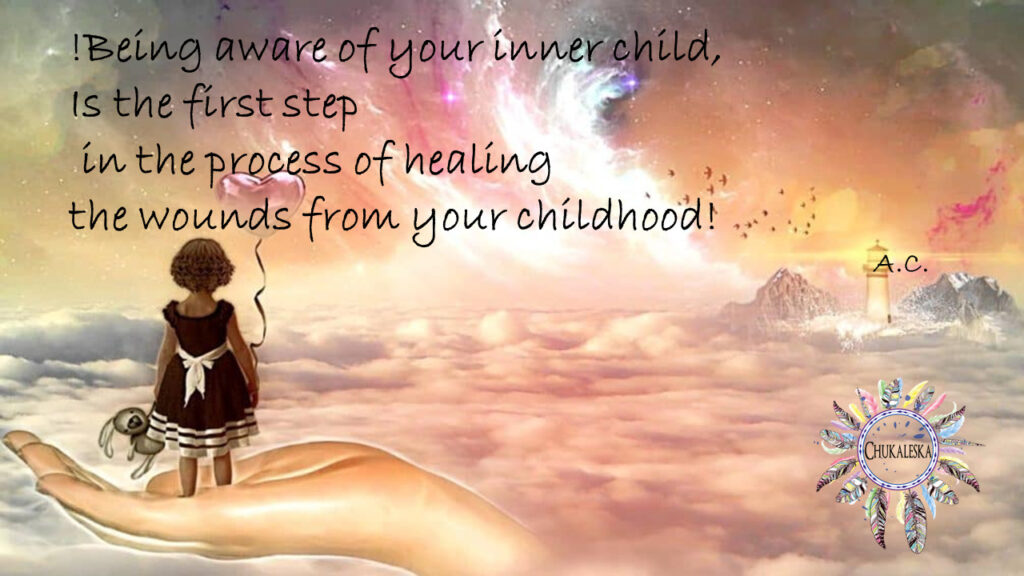
The inner child is the childlike aspect of each person. It includes what the person had learned in childhood, before puberty. The inner child is described as a semi-independent personality that has big influence on the conscious part of the brain.
Many people have positive childhood memories with carefree, endless play, and unconditional love. Being in touch with these feelings is a great way to deal with different challenges in the adult life.
But not everyone has pleasant childhood memories. Many people have unpleasant associations. If you have survived some type of trauma, abandonment, neglect, emotional pain, physical, sexual or emotional abuse, it is likely that you have “buried” these memories to protect yourself and avoid feeling them again.
I would like to explain in more details the term post-traumatic stress in childhood. “Post” means that the trauma occurred in the past, in childhood and is over now. At this time you are not exposed anymore on the traumatic event. The traumatic event can be everything that for you is outside of your daily expectations, of the normal (of what is normal for you), which breaks your belief of justice, it is something that takes you out of “your comfort zone” and that’s why it’s a unique experience of each person. As we know the children’s abilities of perception, conflict resolution, prior information, are limited and still in development. It turns out that experiencing overwhelming emotions and not having the ability to process them causes the inner child to “freeze” at the stage where it experienced these emotions.
Hiding the pain does not help you to heal. Instead, it often arises in your adult life and can manifest as distress in your personal relationships or difficulty in recognizing and meeting your own needs. By working on the healing of your inner child, you can help yourself get to the root of these problems.
Anita Chukaleska, psychologist, gestalt psychotherapist 26.05.2021