
Postpartum depression is moderate or severe depression that are suffering some women within three months of giving birth. One of the main causes is the drastic change of hormones, but the social factors are no less important.
Let’s look at the somatic symptoms (physical or bodily) associated with depression:
- Tiredness and fatigue
- Increased/ reduced appetite
- Pain
- Tearfulness
- Personal neglect
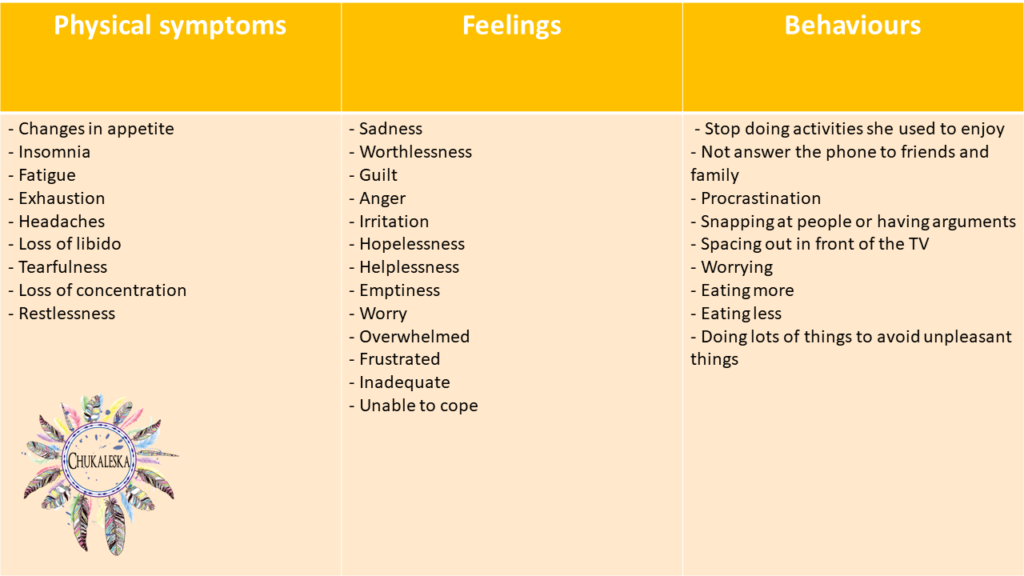
After giving birth, it’s normal the restlessness, anxiety, irritability, even sadness to appear and they disappear in a few weeks after the birth. If these symptoms occur for more than a month, it’s considered as a postpartum depression.
To see this symptom in the perspective of a new mother we have to keep in mind several things. For example; Tiredness could be due to waking up at night for feeds, or nappy changes. But be aware that excessive worrying about the baby at night or not being able to fall back a sleep once the baby is sleeping, can contribute to tiredness and is not considered as a normal part of being a new mum.
In addition to the general characteristics, postpartum depression includes a series of conflicting feelings and situations in the mother-baby relationship, such as: experiencing negative feelings towards the baby; having little interest about the baby; having feeling of inability to care for the baby… …
When evaluating postpartum depression, I keep somatic symptoms in context. Are somatic symptoms due to physical reasons caused by pregnancy or postnatal recovery? Or are they a psychological component to somatic symptoms. I keep in mind the mother’s emotions. Has life lost its shine? Is her life a perpetual cycle of repeating activities from which she receives no satisfaction? Does her baby give her occasional satisfaction or is it difficult for her to find meaning and closeness with her baby? These factors point to depression.
The important thing is to note that the couple and the other close people are the ones who might notice the symptoms. Being inside the circle of depression does not allow to the mother to notice that what is happening crossed the line of the habitual adaptation of a change.
Talking about your feelings and the situation that you are dealing, psychotherapy may be the best option to overcome it. If is necessary medications can be prescribed like complement to the treatment. In addition, family and environmental support, as well as the person’s own attitude are also very important.
All this is complicated in these times of pandemic especially when it comes to help in the care of the baby, or spending time outside the house, which is one more reason to seek professional help.
Being a mother means learning to integrate this new role with your previous roles, as a wife, friend, sister, or coworker.
Having a baby is a fundamental and long-term change, and sometimes moms can have a hard time letting go their old image of themself. Setting new limits, new expectations of herself can help alleviate this pressure and allow her to integrate her new role as a mother.
Anita Chukaleska, psychologist, gestalt terapist 11.01.2021